I’ve been working on cars for over 20 years now, and one question I hear all the time is: “How do I find a good mechanic?” It’s a fair question. There are plenty of horror stories out there about dishonest shops, unnecessary repairs, and work done wrong. The truth is, there are great mechanics out there (I like to think we’re one of them), but there are also some bad ones. Let me share what you should look for to find someone you can trust.
Why Finding the Right Mechanic Matters
Your mechanic holds a lot of power. They can tell you that you need thousands of dollars in repairs, and unless you really know cars yourself, you’re taking their word for it. A good mechanic will be honest about what needs fixing now, what can wait, and what’s just nice to have but not necessary. A bad one will try to sell you everything possible.
Beyond honesty, you want someone skilled enough to actually fix the problem correctly the first time. Comebacks (having to redo work) waste your time and money. You want a mechanic who has the knowledge, experience, and proper tools to do the job right.
Start with Recommendations
The best way to find a good mechanic is word of mouth. Ask friends, family, coworkers, and neighbors who they use and whether they’re happy. Pay special attention if someone has a long relationship with their mechanic. That loyalty tells you something.
Online reviews can help too, but take them with a grain of salt. Look for patterns in the reviews rather than focusing on any single review. A few bad reviews mixed in with mostly good ones is normal (you can’t please everyone). But if you see the same complaints over and over, that’s a red flag.
Look for These Green Flags
Here are some good signs that you’ve found a quality shop:
They’re willing to show you the problem. A trustworthy mechanic will take the time to show you what’s wrong, whether that’s under the hood, under the car, or on a screen if it’s computer related. They want you to understand what needs fixing and why.
They provide written estimates before doing work. No one should start major work on your car without giving you a written estimate first. That estimate should break down parts and labor so you know what you’re paying for.
They explain things in terms you can understand. A good mechanic doesn’t talk down to you or hide behind jargon. They explain problems clearly and answer your questions patiently. You should never feel stupid for asking.
They have proper certifications. Look for ASE (Automotive Service Excellence) certifications. These show that the mechanics have passed tests demonstrating their knowledge. Not every great mechanic has every certification, but it’s a good sign when they do.
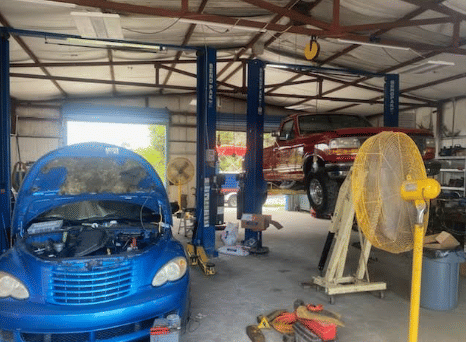
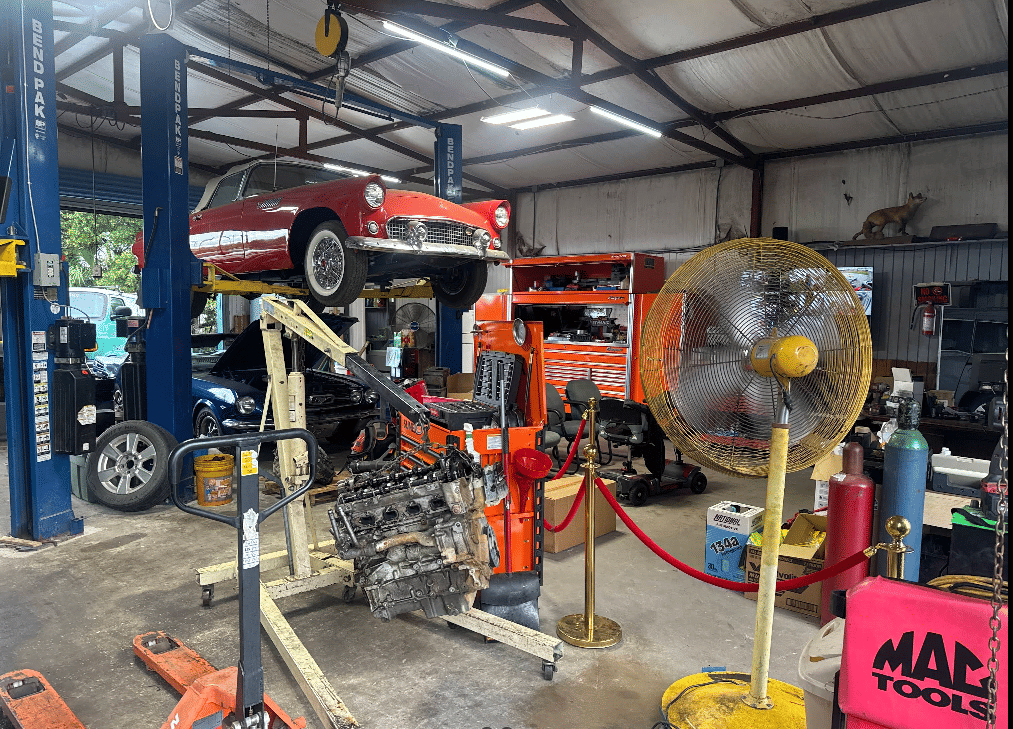
The shop is clean and organized. I’m not talking spotless (it’s a repair shop, not a hospital), but the workspace should be reasonably organized. Tools should have a place, work areas should be safe, and cars should be protected from damage while they’re being worked on.
They stand behind their work with a warranty. Quality shops warranty their work for a certain period or mileage. This shows confidence in the repairs and protects you if something goes wrong.
Red Flags to Watch For
On the flip side, here are warning signs that you should probably look elsewhere:
They pressure you to do work right away. Sometimes repairs really are urgent, but a lot of the time they can wait a bit. Be wary of anyone who won’t let you think about it or get a second opinion on major work.
They can’t or won’t explain the problem. If a mechanic just says “you need this” without explaining why or showing you, that’s sketchy. Either they don’t really know what’s wrong, or they’re hoping you’ll just say yes without asking questions.
The estimate is vague or verbal only. “It’ll be about $500” isn’t good enough for major work. You need to know what parts are being replaced and how much labor costs.
They always seem to find more problems. Some shops use the tactic of finding multiple issues every time you come in, even for routine maintenance. Yes, cars do develop problems, but if your mechanic is constantly discovering new things every single visit, they might be overselling.
The price seems too good to be true. If someone quotes you half what everyone else is quoting for the same work, be suspicious. They might be using inferior parts, cutting corners, or planning to add charges later.
They can’t give you references or show you credentials. Any legitimate shop should be able to point to satisfied customers or show certifications and licenses.
Questions to Ask
When you’re checking out a new shop, don’t be afraid to ask questions:
How long have you been in business? Longevity suggests they’re doing something right. While new shops can be great too, an established shop with a good reputation gives you more confidence.
What are your certifications? Ask about ASE certifications specifically. Also ask if they’re trained on your particular make of vehicle, especially if you drive something specialized.
Do you warranty your work? Ask about the length and terms of the warranty. Make sure it covers both parts and labor.
Can you give me a written estimate before starting work? This should be standard practice for anything beyond minor maintenance.
Will you call me if you find additional problems before doing more work? You should always authorize additional repairs beyond the original estimate.
What payment methods do you accept? This is practical, but it also tells you something. A shop that only takes cash might be trying to avoid leaving a paper trail.
Can I see the old parts? For major repairs, you should be able to see what was replaced. This proves the work was actually done and lets you see the problem for yourself.
The First Visit Test
Consider your first interaction a test run. Start with something small like an oil change or basic inspection. This lets you evaluate the shop without committing to major work.
Pay attention to how they treat you. Are they respectful? Do they listen to your concerns? Do they explain things clearly? Are they on time with the work? Is the price what they quoted?
If the experience is good, great. You’ve found your mechanic. If something feels off, you haven’t invested much and you can look elsewhere.
Building a Relationship
Once you find a good mechanic, stick with them. A mechanic who sees your car regularly gets to know it. They’ll notice when something changes and can often catch problems before they become serious.
Be a good customer too. Show up on time for appointments, communicate clearly about what’s going on with your car, and pay promptly. Good mechanics appreciate customers who respect their time and expertise.
Don’t shop around on price for every single repair once you’ve found someone you trust. Yes, you want fair pricing, but constantly price checking sends the message that you don’t value the relationship. If you trust your mechanic, trust them to charge fairly.
When to Get a Second Opinion
Even with a mechanic you trust, it’s okay to get a second opinion on really big, expensive repairs. Any honest mechanic will understand that you want to be sure before spending several thousand dollars. They shouldn’t be offended.
Just be upfront about it. Don’t sneak around getting estimates. Tell your mechanic you’d like a second opinion on the major work. Most will respect that.
What About Dealerships?
Dealerships have their place. They have factory-trained technicians, proper diagnostic equipment, and access to OEM parts. For warranty work or really complex problems specific to your make and model, the dealership might be the best choice.
But for routine maintenance and common repairs, a good independent shop often provides better value. We typically charge less per hour than dealerships, and we’re usually more flexible about using quality aftermarket parts when appropriate.
Trust Your Gut
Finally, trust your instincts. If something feels wrong about a shop or a mechanic, even if you can’t quite put your finger on it, listen to that feeling. There are plenty of good mechanics out there. You don’t have to settle for someone who makes you uncomfortable.
At RJ Fox Automotive, we try to be the kind of shop we’d want to take our own cars to. We’re straight with people, we explain things clearly, we show you what’s wrong, and we stand behind our work. We’ve been serving Eustis and the surrounding area for years because we believe in building relationships, not just fixing cars.
If you’re looking for a mechanic you can trust, we’d love to earn your business. Stop by and meet us. We’re happy to show you around the shop and answer any questions you have.
Looking for honest auto repair? Call us at (352) 589-0001 or schedule an appointment online. We’re conveniently located on David Walker Dr in Eustis, FL, and we’re here to keep your vehicle running safely and reliably.