Auto Brake Repair in Eustis, FL
Your brakes are the most important safety system on your vehicle. Everything else, the engine, the transmission, the suspension, none of it matters if you cannot stop when you need to. At RJ Fox Automotive, we take brake work seriously and we do it right. We inspect the full system before recommending anything, we use quality parts, and we road test every vehicle after brake service to confirm it stops the way it should before you drive it home.
Brake Services We Provide
Brake pad replacement is the most frequent brake service on any vehicle. Brake pads are the friction material that clamps against the rotor to slow the vehicle. They wear down gradually with every stop, and once they reach minimum thickness they need to be replaced before the metal backing contacts the rotor. Most pads include a wear indicator that produces a squealing sound when the pads are getting thin. That sound is your warning to schedule service. Ignoring it leads to rotor damage and more expensive repairs.
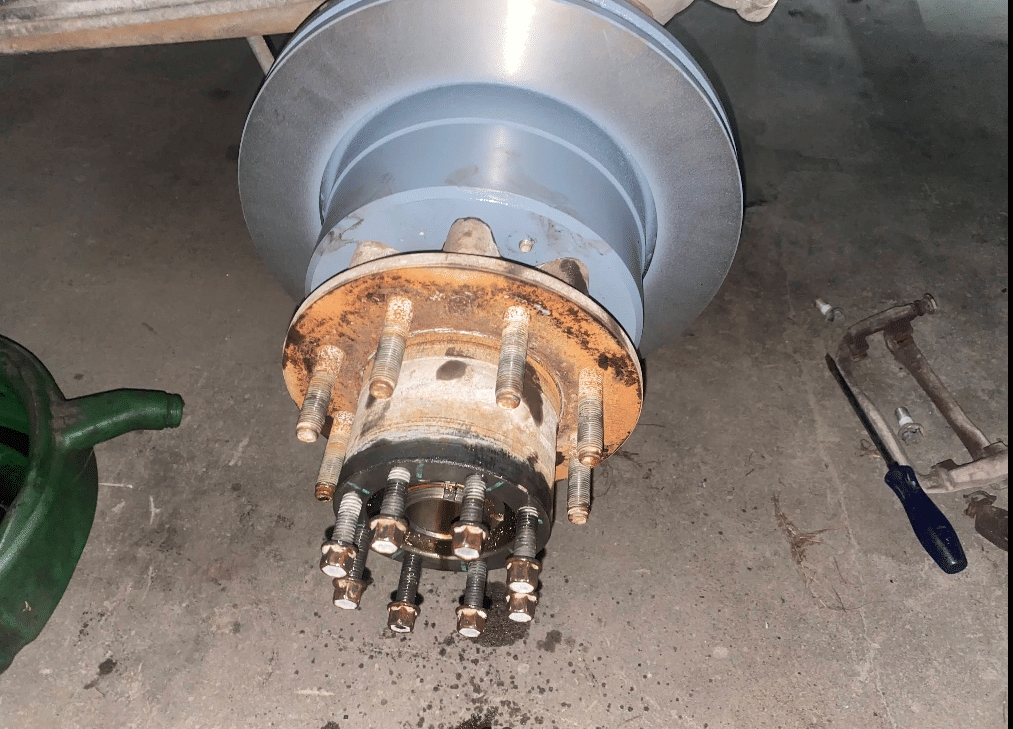
Rotor replacement and resurfacing addresses the disc that the brake pads clamp against. Rotors wear down over time and can develop uneven surfaces, grooves, and hot spots from the heat of repeated braking. A rotor with enough material remaining can sometimes be resurfaced on a brake lathe to restore a flat, smooth braking surface. A rotor that has worn below minimum thickness or has deep scoring or heat cracks needs to be replaced. We measure every rotor and give you an honest recommendation on whether resurfacing or replacement is appropriate.
Caliper service and replacement covers the hydraulic clamp that squeezes the brake pads against the rotor when you press the pedal. Calipers can seize in the applied position, causing the brake to drag constantly and wearing the pads and rotor on that corner faster than the rest. They can also seize in the released position, reducing braking force on that corner. Either condition affects stopping distance and evenness. Seized calipers often cause the vehicle to pull to one side under braking.
Brake fluid service is one of the most commonly overlooked brake maintenance items. Brake fluid is hygroscopic, meaning it absorbs moisture from the atmosphere over time. As moisture content rises, the fluid's boiling point drops. Under heavy braking, overheated fluid with high moisture content can boil and turn to vapor, which is compressible and causes a sudden loss of brake pedal pressure. Brake fluid should be tested for moisture content and flushed on a regular schedule, typically every two to three years regardless of mileage.
Brake line repair covers the steel lines and rubber hoses that carry hydraulic pressure from the master cylinder to the calipers and wheel cylinders. Rubber brake hoses deteriorate from the inside over time and can collapse internally, trapping hydraulic pressure and causing a caliper to drag. Steel lines corrode and can develop pinhole leaks. Any brake fluid leak is a safety issue and needs to be repaired promptly.
Warning Signs Your Brakes Need Attention
Brakes communicate clearly when something is wrong. Pay attention to any of the following.
- Squealing or squeaking when braking, particularly when the brakes are cold; this is often the wear indicator telling you the pads are getting thin
- Grinding or growling when braking, which means the pads are worn through and metal is contacting the rotor; this is past the warning stage and needs immediate attention
- Pulsing or vibration through the brake pedal when stopping, which typically indicates warped rotors
- Vehicle pulling to one side when braking, pointing to uneven brake wear, a seized caliper, or a collapsed brake hose on one side
- Soft or spongy pedal that feels different from normal, sinking further than it should before the brakes engage
- Brake pedal that sinks to the floor under steady pressure, indicating a hydraulic system problem that needs immediate attention
- Brake warning light on the dashboard, which can indicate low brake fluid, a hydraulic system fault, or worn pads on vehicles with electronic pad wear sensors
- Burning smell after driving, particularly after highway driving or descending a grade, which can indicate a dragging caliper overheating the brake
How Long Do Brakes Last?
Brake pad life varies more than almost any other wear item on a vehicle because driving style has such a large effect on it. A driver who brakes early and lightly on mostly highway miles might get 70,000 miles from a set of pads. A driver who brakes late and hard in constant stop-and-go traffic might need new pads every 25,000 to 30,000 miles. Towing accelerates pad and rotor wear significantly.
Rotors typically outlast one or two sets of pads, but that depends on how the pads were allowed to wear. Pads that were replaced promptly before the backing plate contacted the rotor preserve rotor life. Pads that were run metal-on-metal damage the rotor surface and often require rotor replacement at the same time as the pads.
The only reliable way to know where your brakes stand is to have them inspected. We check pad thickness and rotor condition as part of every service visit where the wheels come off and will let you know how much life you have left and when you should plan for service.
Brake Fluid and Florida Heat
Florida's heat accelerates moisture absorption in brake fluid, which lowers its boiling point faster than in cooler climates. Vehicles used for towing, driven on hilly terrain, or subjected to repeated hard stops are at particular risk of brake fade from fluid that has absorbed too much moisture. We recommend brake fluid testing and flushing every two years for most vehicles here, and annually for vehicles used for towing or performance driving.