Engine Rebuild in Eustis, FL
An engine rebuild is one of the most involved jobs in automotive repair, and it is one that rewards patience, precision, and experience. When an engine has worn beyond what targeted repairs can address, a full rebuild restores it to factory specification by replacing every component that has exceeded its wear limits. Done correctly, a rebuilt engine can give a vehicle many more years of reliable service.
At RJ Fox Automotive, we have the experience and the equipment to handle complete engine rebuilds in-house. We tear down the engine completely, inspect every part, send the block and head out for machine work where needed, source quality replacement components, and reassemble everything to spec. You get a full accounting of what was found and what was done before the engine goes back in the vehicle.
What a Full Engine Rebuild Involves
A rebuild is not a shortcut job, and we do not treat it like one. Here is what the process looks like from start to finish.
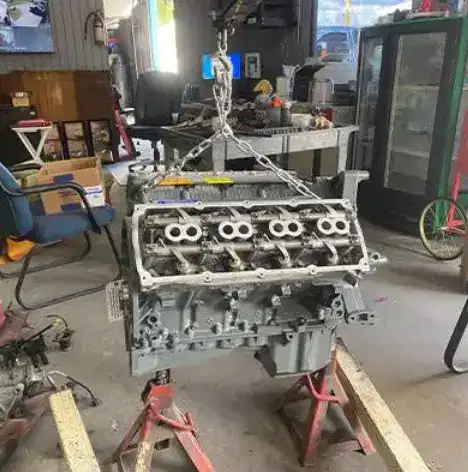
Complete disassembly is the starting point. The engine comes out of the vehicle and is torn down to bare components. Every part is cleaned, inspected, and measured against factory specifications. This is where we find out exactly what failed, what contributed to the failure, and what the condition of every other component is.
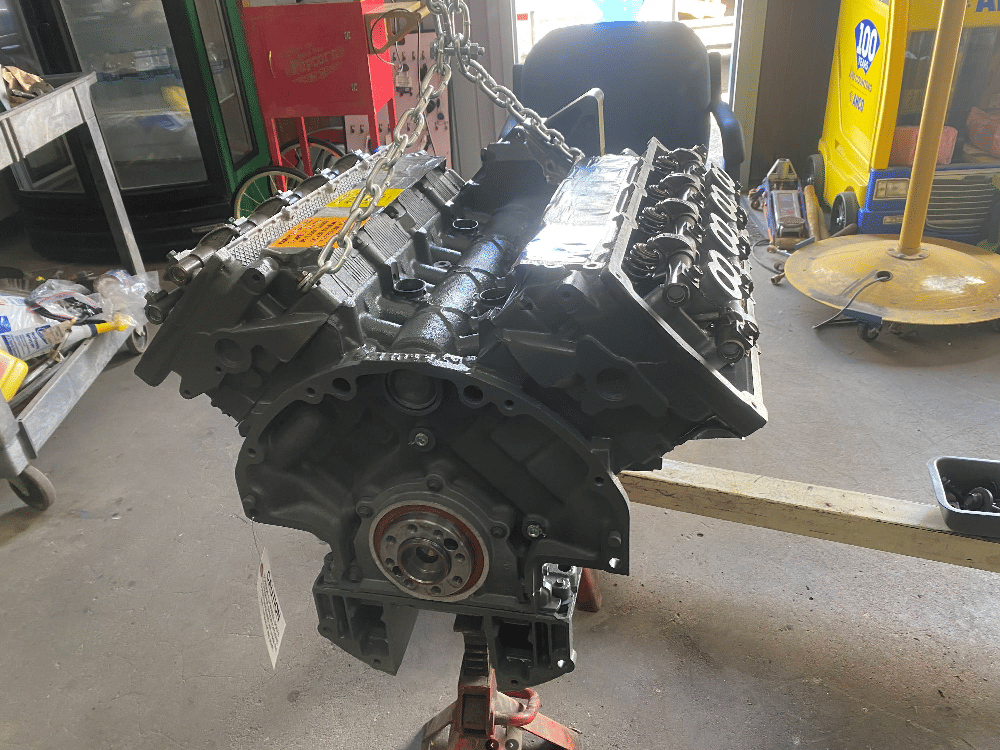
Machine work is the foundation of a quality rebuild. The engine block is bored and honed to accept new pistons and rings at the correct clearances. The cylinder head is resurfaced to ensure a flat, clean mating surface for the head gasket. Crankshaft journals are measured and the crank is reground if needed. This work is done by a machine shop, and the quality of these measurements and tolerances directly determines how long the rebuilt engine will last.
Component replacement covers everything that has worn beyond spec or that is a standard replacement item in a rebuild. Pistons and rings, rod bearings, main bearings, cam bearings, valve stem seals, and a complete gasket and seal kit are replaced as a matter of course. Additional components like camshafts, lifters, timing components, and oil pump are replaced based on what the inspection finds.
Reassembly is done to factory torque specifications with new fasteners where required. Clearances are measured and verified at each critical step. This is not an area where speed matters. Getting the bearing clearances, ring gaps, and torque sequences right is what separates a rebuild that lasts from one that does not.
Reinstallation and startup includes a careful break-in procedure to seat the new rings and bearings properly. We monitor oil pressure, check for leaks, and verify that everything is operating correctly before the vehicle leaves the shop.
Rebuild vs. Replacement: How We Think About It
A rebuild and a replacement are not the same thing, and the right choice depends on your specific situation. Here is how we evaluate it.
A rebuild makes sense when the engine block and major castings are in good condition, the failure was caused by a specific problem rather than general wear throughout the engine, quality replacement components are available at a reasonable cost, and the vehicle is worth the investment.
A replacement makes more sense when the block has severe damage such as cracks or spun bearing journals that have damaged the bore beyond what machine work can address, when a quality remanufactured or low-mileage used engine is available at a price that competes with the rebuild cost, or when turnaround time is a significant factor.
We will give you the numbers for both options when both are viable. Some customers prefer knowing their engine was rebuilt with specific parts and documented work. Others prefer the faster turnaround of a replacement. Either way you will have the information you need to make the call that is right for you.
What Causes Engines to Need Rebuilding
Understanding what led to the engine failure matters because some causes create damage patterns that affect how the rebuild is approached. The most common situations we see are listed here.
- Oil starvation: running an engine with insufficient oil is the fastest way to destroy rod and main bearings; the damage is typically severe and widespread throughout the bottom end
- Overheating: severe or repeated overheating warps cylinder heads, damages head gaskets, can crack the block or head, and accelerates wear on pistons and cylinder walls
- Detonation or preignition: also called knock or ping, severe detonation breaks ring lands, damages pistons, and hammers rod bearings over time
- Coolant ingestion: coolant in the combustion chamber from a failed head gasket washes the cylinder walls, destroys the lubricating oil film, and damages pistons and rings
- High mileage general wear: rings lose their seal, bearing clearances open up, and oil consumption increases; at a certain point a rebuild restores what time and miles have taken away
- Timing component failure: a broken timing belt or chain on an interference engine bends valves, damages pistons, and can crack the head; the extent of the damage determines whether a targeted repair or a full rebuild is the right path
What to Expect During the Process
An engine rebuild is not a one-day job and we will not pretend otherwise. A typical rebuild takes one to two weeks from teardown to completed reinstallation, and that timeline can extend if machine shop work takes longer or if the teardown reveals damage that changes the scope of the job.
We communicate throughout the process. If we find something during teardown that changes the estimate, we call you before proceeding. You will never come in to pick up your vehicle and find a bill that does not match what was discussed.